| Heater Basics: |
| Will choosing a higher power burn it out? |
Answer: Yes.
If the power is too high, it heats up too quickly, and the thermostat can’t respond in time. At best, it will burn and bulge the heater itself; at worst, it will scorch the plastic, batteries, or liquids you are heating.
So don’t aim for ‘the bigger, the stronger.’ The principle for choosing power is: enough is enough. |
| So how do you know it’s ‘enough’? |
Answer: You don’t need to do the math yourself. Remember the following three ‘glance-and-decide’ methods:
Look at the area
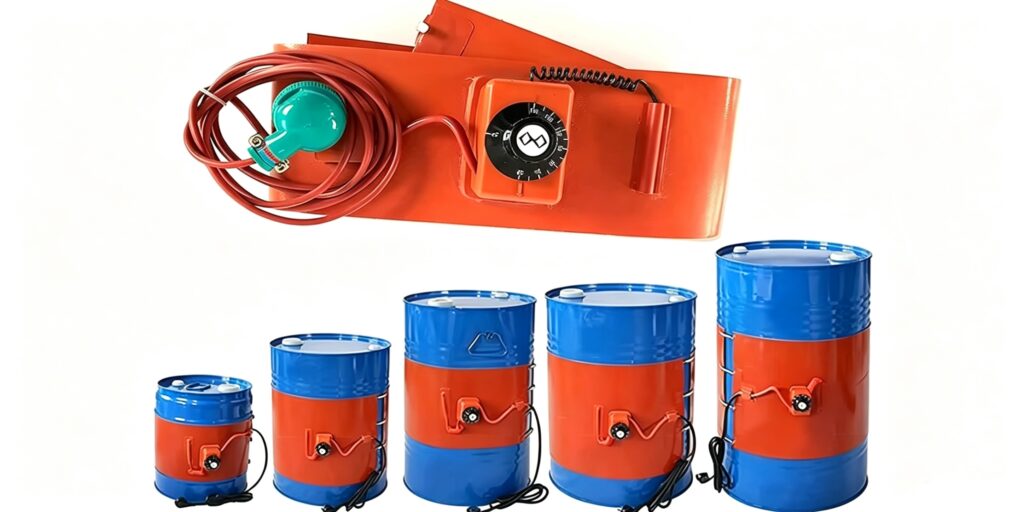
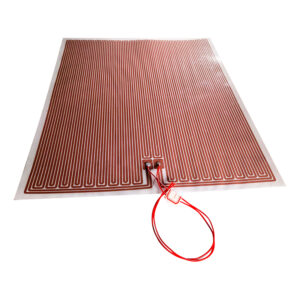
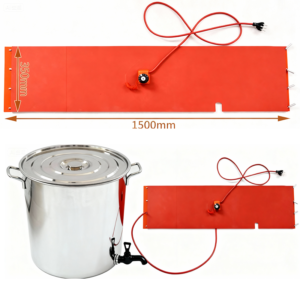
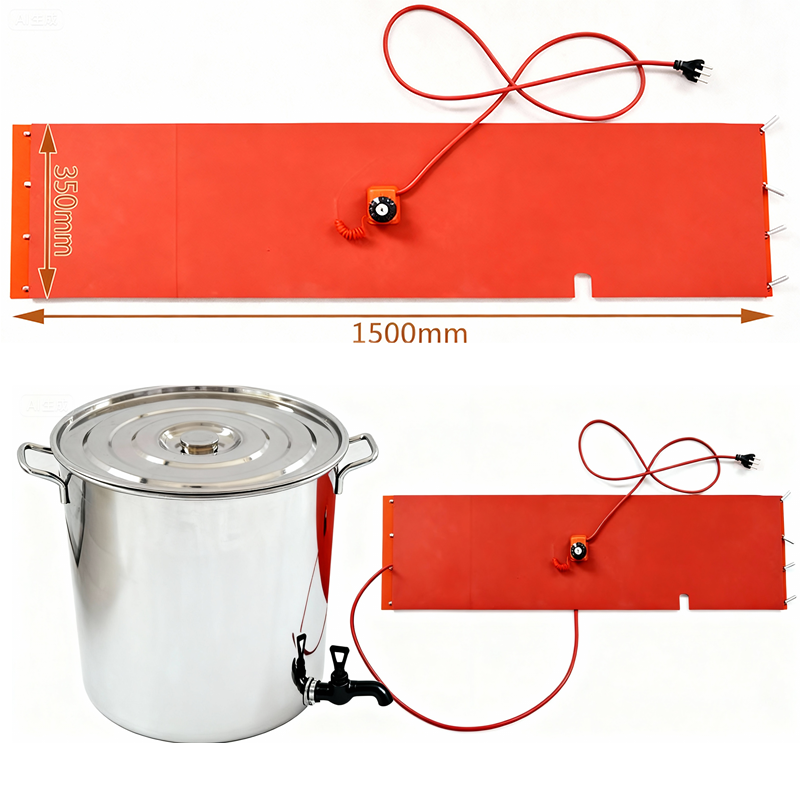
The same small silicone heating pad will require completely different power when attached to a palm-sized metal plate versus a basin-sized bucket.
· Palm-sized → tens of watts are enough
· Basin-sized → hundreds of watts
· Your table is that big → may require over a kilowatt
Look at the temperature difference
If it’s just to prevent freezing in winter (e.g., from -5°C to 5°C) → a smaller power is sufficient
If you want to boil water or sterilize things (e.g., reach over 100°C) → a larger power is needed
Look at heat dissipation
Stuck in the air (uncovered) → heat escapes quickly, so power should be appropriately increased
Wrapped in insulation → heat can’t escape, so power can be much lower |
| The easiest way: |
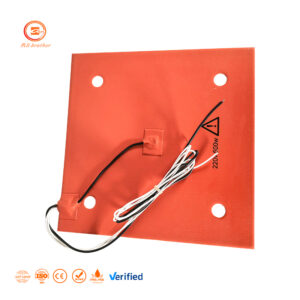
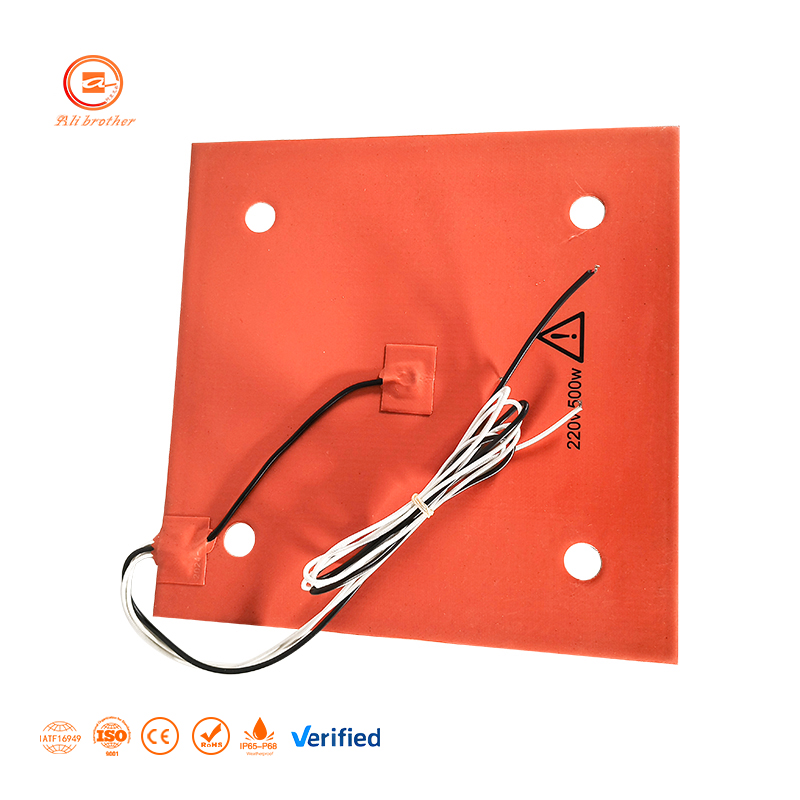
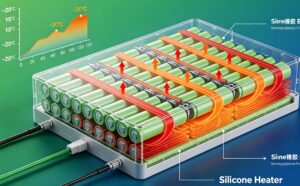
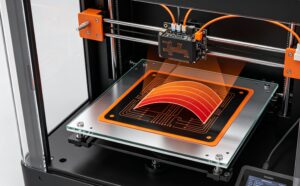
Directly ask the seller or look at similar products. For example, if it’s for a 3D printer heated bed, search for how many watts others use for the same model (commonly, a 300×300mm bed uses 500-600W). If it’s for preventing a lithium battery pack from freezing, others use a few dozen watts, so you can choose a similar amount.
If you really don’t know how to choose, remember this simple rule of thumb:
Per square decimeter (10×10 cm) of area, use 5-10 watts for normal heating, 15-20 watts for fast heating.
For example:
An A4-sized sheet (about 6 square decimeters), for normal insulation → choose 30-60 watts; for quickly warming your hands → choose 90-120 watts. |